For firms delivering payroll services, the next two years will bring increased administrative pressure, greater technical complexity and rising expectations from clients seeking clear guidance through an evolving regulatory environment.
For many accountancy practices, this is not just a compliance issue - it is a capacity and resourcing challenge that will directly impact how efficiently they can grow and service clients.
The reforms firms need to prepare for
The changes ahead are wide-ranging. Key developments include a major overhaul of employee benefits reporting, the effective end of traditional P11Ds through the mandatory payrolling of Benefits in Kind, reforms to Statutory Sick Pay, and wider workplace changes introduced under the Employment Rights Act 2025. Continued increases to the National Living Wage will also add further operational and advisory pressure for employers.
For many accounting firms, the challenge will extend beyond understanding the legislation. The greater issue will be having the capacity, systems and support infrastructure to implement it effectively.
Payroll teams are already balancing strict compliance requirements, tight deadlines and rising client expectations. As regulation evolves, firms will need stronger operational frameworks to remain efficient and compliant.
Why payroll remains a core client service
Payroll continues to be one of the most valuable recurring services within an accountancy practice. Clients often see it as business critical, making it a “sticky” service that drives regular interaction and strengthens long-term relationships.
However, those same characteristics can create delivery pressures. Payroll is time-sensitive, error-sensitive and can quickly become resource-intensive, particularly for growing practices or those managing increasing client volumes.
As a result, many firms are rethinking how payroll is structured within their accounting practice - including whether elements should be centralised, streamlined or outsourced.
A flexible support model for accounting practices
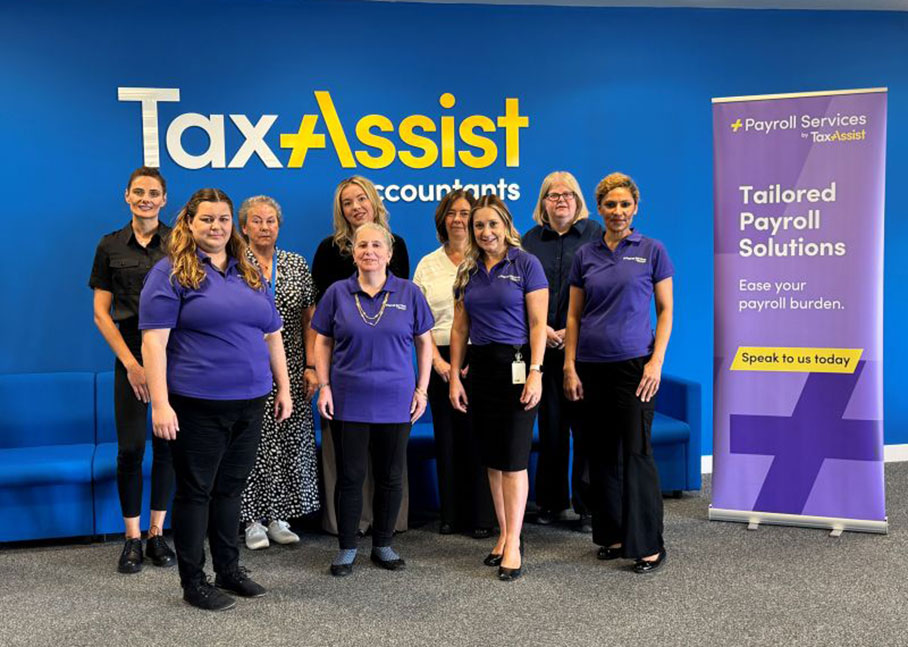
Within the TaxAssist Accountants network, franchisees can access a dedicated payroll support solution through Payroll Services by TaxAssist.
Rather than a one-size-fits-all outsourcing model, this technology-led service is designed specifically to support the operational needs of accounting practices within the network.
It gives practice owners flexibility in how they deliver payroll:
- Some continue to manage payroll fully in-house
- Others outsource elements to improve efficiency and manage capacity
- Many adopt a hybrid model depending on client demand and staffing levels
This flexibility allows accountants to maintain control of client relationships while adapting delivery models to suit the growth of their practice.
Supporting compliance while enabling practice growth
The ability to adapt payroll delivery is increasingly important as firms focus on building scalable accounting practices.
Alongside core payroll processing, the service also includes features such as absence, holiday and sick leave tracking, as well as access to online and telephone client support.
This helps practices:
- Maintain compliance under increasing regulatory pressure
- Reduce administrative burden on internal teams
- Free up time for advisory work and client development
- Improve consistency of service delivery across the practice
Andy Gibbs ATT, CTA, Director of Technical Services at TaxAssist Accountants, believes the upcoming reforms will make specialist payroll support increasingly important.
“Payroll is becoming more complex at the same time clients are expecting more proactive support and guidance,” says Gibbs. “The reforms over the next two years will require firms to adapt quickly, not only operationally but also in how they communicate with clients. Having access to dedicated payroll expertise and scalable support allows practices to remain compliant, protect service quality and continue building strong client relationships.”
Payroll’s evolving role in a growing accounting practice
Payroll is increasingly moving beyond a purely administrative function. It now plays a central role in discussions around workforce planning, employee benefits, compliance risk and overall business costs.
For accounting firms, this shift creates both pressure and opportunity. Those who can deliver payroll efficiently - while also supporting clients with insight and advice - are well positioned to strengthen long-term relationships.
Within a growing accounting practice, payroll is often one of the first services where capacity constraints become visible. How it is managed can have a direct impact on the firm’s ability to scale.
Turning regulatory change into opportunity
While the next phase of payroll legislation will present challenges across the profession, it also creates opportunities for firms with the right support in place.
Practices that are able to adapt their operating model can:
- Improve efficiency
- Strengthen client relationships
- Expand advisory conversations
- Enhance recurring revenue stability
This is where having access to structured systems, specialist expertise and scalable support can make a meaningful difference.
The TaxAssist Accountants franchise opportunity
For accountants considering how to start, grow or scale an accounting practice, the evolving payroll landscape highlights the importance of having the right operational infrastructure in place.
As part of the TaxAssist Accountants franchise network, franchisees benefit from established systems, payroll expertise and scalable support designed to help them navigate regulatory change with confidence.
Alongside services such as payroll, tax consulting and financial planning, franchisees also receive ongoing technical, marketing and business support. This enables them to focus on building client relationships and growing their practice, while the Support Centre helps ensure they remain compliant, efficient and well positioned for the future.